StripWorks oral film capabilities: 22 × 32 mm strips at 100–300 mg, 30–60 second dissolve target, 500-box pilots, high-barrier sachets, 10–60-count cartons, third-party testing and reorders.
Scoping the brief
Every project starts with a written brief read by a StripWorks engineer: active and target amount per strip, formula status, flavor direction, carton count, launch market, claims and timing. The reply says what is feasible at that dose, what must be tested first, and whether the project fits the pilot path.
Published development targets
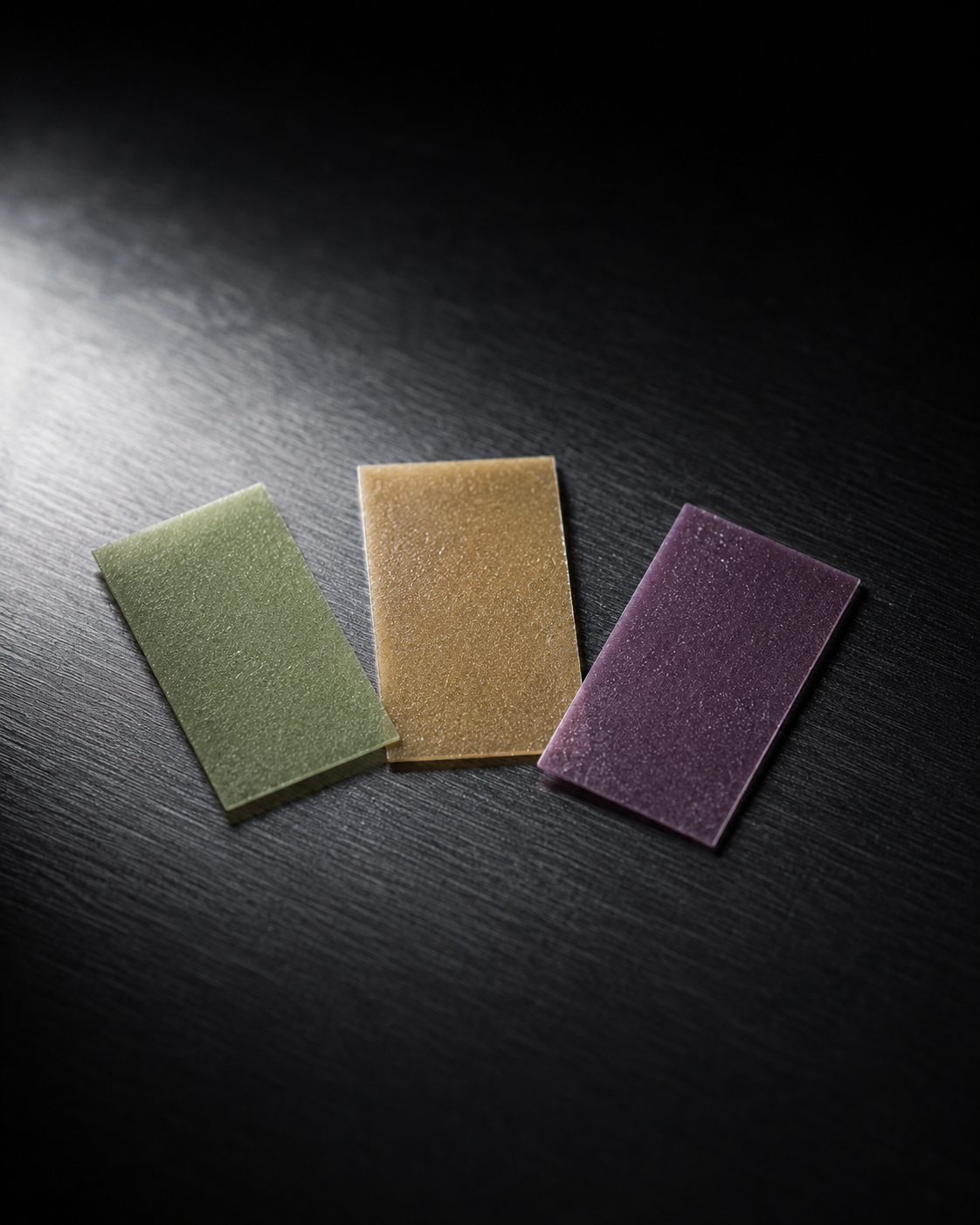
Development starts from a 22 × 32 mm strip, a dry film of roughly 50–150 μm, a finished strip of about 100–300 mg, a 30–60 second dissolve target, and up to about 250 mg of a single active per strip. The shelf-life target is 24 months in the finished sachet. Higher loads, other sizes and multi-active strips are assessed case by case.
Formula feasibility and development
Feasibility checks whether the active load fits the strip at the target thickness without breaking dissolve time, flexibility or taste. Development rounds are judged against written sensory and technical criteria (appearance, tear, dissolve time, bitterness, aftertaste), so approval is a decision against a list, not an opinion in an email.
The 500-box pilot
Qualified projects start with 500 finished boxes: about 10,000 strips in 20-count cartons or 15,000 in 30-count. The pilot is sellable product, with individual sachets, printed cartons and lot coding, and it goes through the same release controls as a later run. It is where the formula, package and paperwork get proven before the brand orders inventory.
Sachets, cartons and release testing
Strips go into high-barrier PET/aluminum/PE sachets and lot-coded 10- to 60-count cartons. Each lot is checked for appearance, dimensions and weight, moisture or water activity, seal integrity and coding, potency, content uniformity where dose-critical, and micro. Third-party tests run at ILS Lab. Each lot ships with a Lot Release Packet.
Reorders
A released pilot leaves an approved formula, product and packaging specifications, approved artwork, a test plan and the batch record for that lot. Reorders reference those documents and are modeled at 1,000, 3,000, 5,000, 10,000 or more boxes. Any change to formula, supplier, package or artwork is written up and approved before the next lot is scheduled.